
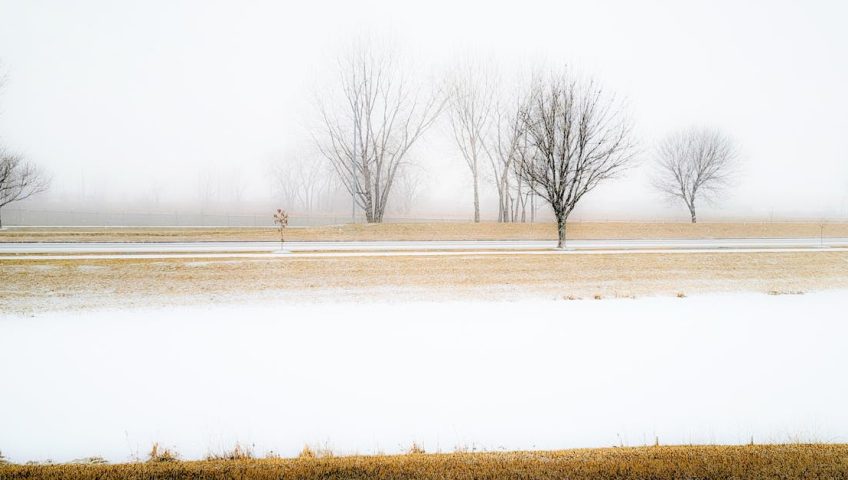
Iowa’s freezing winter temperatures pose a significant threat to unprotected irrigation systems, making winterization an essential maintenance step for property owners. Without proper preparation, the water left in irrigation lines can freeze, expand, and cause extensive damage to your entire system.
I’ve seen how winterization has become increasingly crucial for homeowners and businesses in Ankeny and surrounding areas. The process involves more than simply turning off your system – it requires a comprehensive approach that includes draining all water from the lines, shutting down timers, and ensuring every component is protected before the first freeze hits. This preventive measure can save you from costly repairs and ensure your system performs optimally when spring arrives.
Understanding Iowa’s Winter Climate
Iowa experiences harsh winters with temperatures frequently dropping below freezing from late October through March. The climate data demonstrates consistent patterns of severe winter conditions that pose risks to outdoor water systems.
How Freezing Temperatures Affect Irrigation Systems
Frozen water expands by 9% inside irrigation pipes causing immediate structural damage. The expansion process creates intense pressure that leads to:
- Cracked PVC pipes in main lines connecting to sprinkler heads
- Split backflow devices at system entry points
- Damaged valve bodies throughout zone connections
- Broken sprinkler heads from internal ice formation
- Ruptured manifolds at distribution points
| Winter Climate Factor | Impact on Irrigation Systems |
|---|---|
| Average First Freeze | Mid-October to Early November |
| Winter Temperature Range | -15°F to 32°F |
| Freeze Depth | 30-36 inches below ground |
| Freeze Duration | 4-5 months annually |
The underground components face particular risks when temperatures remain below freezing for extended periods. Water trapped in system components crystallizes even in buried lines connecting sprinkler zones. The sustained cold penetrates deep enough to affect buried pipes despite soil insulation.
Metallic components experience additional stress from repeated freeze-thaw cycles. The constant expansion contractions weaken connection points between different materials. These weak points become failure zones once spring temperatures return.
The Importance of Irrigation Winterization
Irrigation winterization protects vital system components from freeze damage in Ankeny’s harsh winter climate. The process safeguards underground pipes valves sprinkler heads from extensive damage when temperatures drop below freezing.
Preventing Costly Pipe Damage
Water expands 9% when frozen inside irrigation pipes creating intense pressure on pipe walls. Frozen water splits PVC pipes cracks metallic fittings damages connection points throughout the system. Underground components face particular risk as soil insulation provides limited protection during sustained cold periods.
| Damage Type | Repair Cost Range |
|---|---|
| Burst Pipes | $500-$2,000 |
| Cracked Valves | $200-$1,000 |
| Split Backflow | $300-$800 |
| System Replacement | $2,500-$10,000 |
Protecting System Components
Sprinkler heads manifolds control valves require complete water removal before winter arrives. These components contain small water chambers internal mechanisms susceptible to freeze damage. Proper winterization involves using compressed air to clear water from every system component preventing internal damage crystal formation.
| Component | Protection Method |
|---|---|
| Sprinkler Heads | Air Blowout |
| Control Valves | Air Blowout or Manual Drainage |
| Backflow Device | Complete Drain |
| Main Lines | Compressed Air |
Optimal Timing for Winterization in Ankeny
The timing of irrigation winterization in Ankeny directly impacts system protection effectiveness. Strategic scheduling ensures both system preservation through winter months while maintaining adequate lawn hydration in fall.
First Frost Considerations
Ankeny experiences its first frost around October 9 each year. Planning winterization 1-2 weeks before this date provides optimal protection for irrigation systems while allowing sufficient watering time for plants to prepare for dormancy. Monitoring local weather forecasts helps identify approaching frost conditions that signal the need for immediate system shutdown.
Recommended Seasonal Schedule
September provides the ideal window to schedule professional winterization services in Ankeny. The process takes 30-60 minutes to complete when temperatures remain above 32°F.
| Winterization Timeline | Key Actions |
|---|---|
| February-September | Schedule service appointment |
| Late September | Reduce watering frequency |
| Early October | Complete winterization before frost |
| October 9 | Average first frost date |
- Identifying system repairs before winter
- Draining pipes completely in moderate temperatures
- Ensuring proper backflow prevention protection
- Recording zones maps for spring reactivation
Professional Winterization Process
Professional irrigation winterization in Ankeny follows a systematic approach to protect systems from freeze damage. Certified technicians execute specific procedures to ensure complete system protection during Iowa’s harsh winters.
System Shutdown Steps
- Cut off main water supply at the backflow preventer
- Disable automatic controller settings for winter
- Inspect system components for existing damage
- Identify zone locations for spring reactivation
- Close all manual drain valves
- Tag system as winterized to prevent accidental activation
Water Removal Techniques
- Connect industrial air compressor to system mainline
- Pressurize lines between 40-80 PSI for effective clearing
- Activate each zone sequentially for 2-3 minutes
- Monitor pressure gauges to confirm water evacuation
- Clear water from backflow prevention device
- Test sprinkler heads for complete drainage
- Verify manifold chambers are moisture-free
| Component | Air Pressure (PSI) | Clearing Time (Minutes) |
|---|---|---|
| Main Lines | 50-80 | 3-5 |
| Lateral Lines | 40-50 | 2-3 |
| Sprinkler Heads | 35-45 | 1-2 |
| Backflow Device | 30-40 | 2-3 |
The high-pressure air system pushes water through every component until no moisture remains. Each zone receives focused attention to ensure complete evacuation of water from pipes sprinkler heads valves. Technicians monitor pressure readings throughout the process to protect system components from damage.
Post-Winterization Lawn Care
After winterizing the irrigation system in Ankeny, specific lawn care practices protect grass roots during dormancy. These practices maintain lawn health through Iowa’s cold winters while preparing for spring revival.
Winter Lawn Maintenance Tips
- Clear fallen leaves before snow accumulation to prevent moisture retention
- Minimize foot traffic on frozen grass to prevent damage to dormant blades
- Keep mowing height at 2.5-3.5 inches for the final cut before winter dormancy
- Remove snow carefully from grass areas to prevent mold growth
- Monitor for signs of winter damage like snow mold or vole tunnels
Spring Preparation Strategy
- Inspect grass areas for winter damage once snow melts
- Document any brown or damaged patches for targeted spring treatment
- Test soil moisture levels before reactivating irrigation system
- Clear debris from sprinkler head locations marked during winterization
- Allow soil to thaw completely before scheduling system reactivation
| Timing | Maintenance Task | Purpose |
|---|---|---|
| Late Fall | Final 2.5-3.5″ mow | Prevents matting under snow |
| Winter | Snow removal | Reduces mold risk |
| Early Spring | Damage assessment | Guides repair planning |
| Pre-activation | Soil thaw check | Ensures safe system restart |
Conclusion
I can’t stress enough how vital irrigation winterization is for Ankeny homeowners. The small investment in professional winterization services now can save thousands in potential repair costs later.
Living in Iowa I’ve seen firsthand how our harsh winters can wreak havoc on unprotected irrigation systems. That’s why I always recommend scheduling winterization in September before temperatures drop below freezing.
Protecting your irrigation system isn’t just about saving money – it’s about ensuring your lawn thrives when spring arrives. Don’t wait until it’s too late. Take action now to safeguard your investment and maintain your property’s value through proper winterization.
Frequently Asked Questions
When should I winterize my irrigation system in Ankeny, Iowa?
Plan to winterize your irrigation system in September, about 1-2 weeks before the first frost date (typically October 9). Schedule professional services early in September when temperatures are still above 32°F. The process usually takes 2-3 hours to complete.
How much damage can frozen irrigation pipes cause?
Frozen water can cause extensive damage as it expands by 9% inside pipes. This can lead to cracked PVC pipes ($500-$2,000), damaged valves ($200-$400), split backflow devices ($300-$800), and broken sprinkler heads. A complete system replacement can cost between $2,500-$5,000.
What does professional winterization include?
Professional winterization involves shutting off the main water supply, disabling automatic controllers, and using industrial air compressors to clear water from all components. Technicians systematically activate each zone, monitor pressure readings, and document zone locations for spring reactivation.
Can I winterize my irrigation system myself?
While DIY winterization is possible, it’s recommended to hire professionals due to safety risks and the need for specialized equipment. Professional technicians have industrial-grade air compressors and expertise to ensure complete water removal from all system components.
How long does irrigation winterization take?
A professional winterization service typically takes 2-3 hours to complete. This includes system inspection, water removal using compressed air, pressure monitoring, and documentation of zone locations. The process must be done when temperatures are above freezing.
What maintenance is needed after winterization?
After winterization, maintain lawn health by clearing fallen leaves, limiting foot traffic on frozen grass, keeping final mow height at 2.5-3.5 inches, and carefully removing snow. Monitor for winter damage and document affected areas for spring treatment.
When can I reactivate my irrigation system in spring?
Wait until soil has completely thawed and temperatures consistently remain above freezing. Check soil moisture levels, clear debris from sprinkler heads, and inspect the system for winter damage before reactivation. Early spring is typically the best time for system restart.